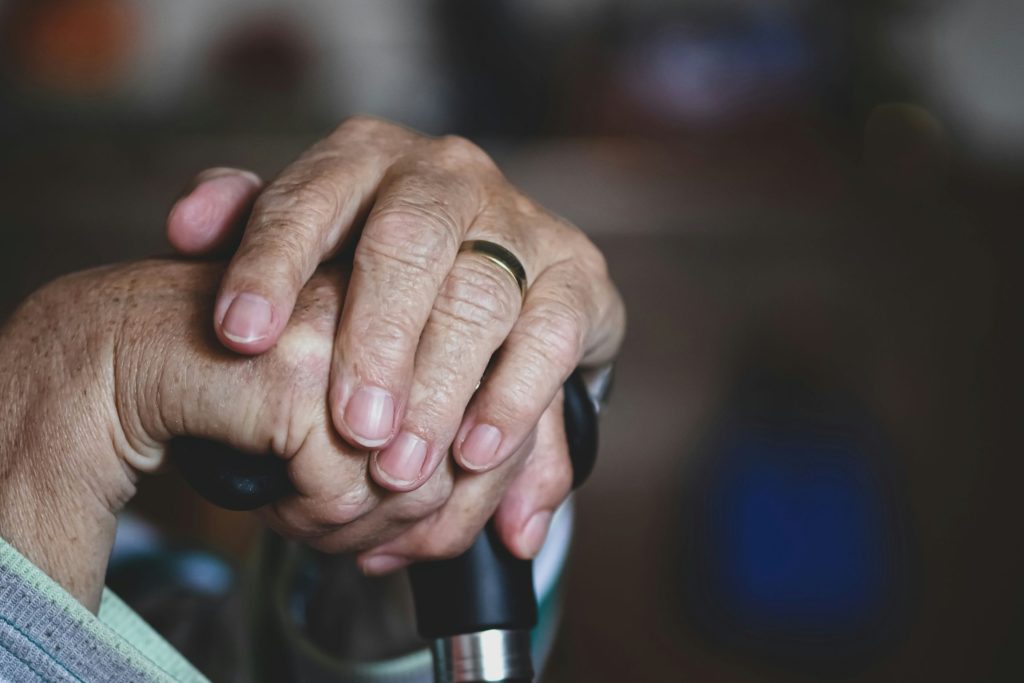
At 73, Margaret* knew what she wanted: protection from family violence without losing contact with her daughter.
The First Nations woman from the Goulburn Valley had experienced violence from her adult daughter. Police applied for an intervention order, but Margaret didn’t want her daughter banned from visiting her home.
Police argued that Margaret had a cognitive impairment and that her wishes should carry less weight when the court decided what protections she needed.
Margaret connected with ARC Justice through its Health Justice Partnership with Rumbalara Aboriginal Co-operative in Shepparton. Lawyers from the Goulburn Valley Community Legal Centre represented her, working closely with the Rumbalara worker supporting her.